

Small Changes
Make a big difference—in winning my first race in 2026 at Essor Brèton

In the week leading up to Essor Breton, I decided to make some small changes. Changes that I felt could help me turn my entire focus to winning a race. I decided to trust that little voice directing my mind in one avenue or the other. Many of us have them, for various things in our lives. Often telling us the things that we need to do. Items on the to-do list that might seem laborious, or things that make us overwhelmingly excited.
And it is making the distinction between the helpful kind and the less so, which makes it challenging to decide on what to do. To trust the mind, that is, may actually be for the better. Finally, I listened. I had been aware of it tugging away at my gut—‘cause that’s another name people give it—for many weeks, if not months. And when heeded, these changes can make massive differences, as I saw this weekend in Bretagne.
I had been embedded in my routines for some time. Primarily to provide myself with the assurance that I would have the mental bandwidth to adequately deal with the other, more tricky circumstances that arose, and get on with the job just the same. During this time, I had been unwilling to make the small adjustments my subconscious may have felt necessary—out of fear; fear of change, fear of injury, fear of getting worse. The nagging thought of “What if I do this, it won’t be as good?” was the overriding thought that I had.
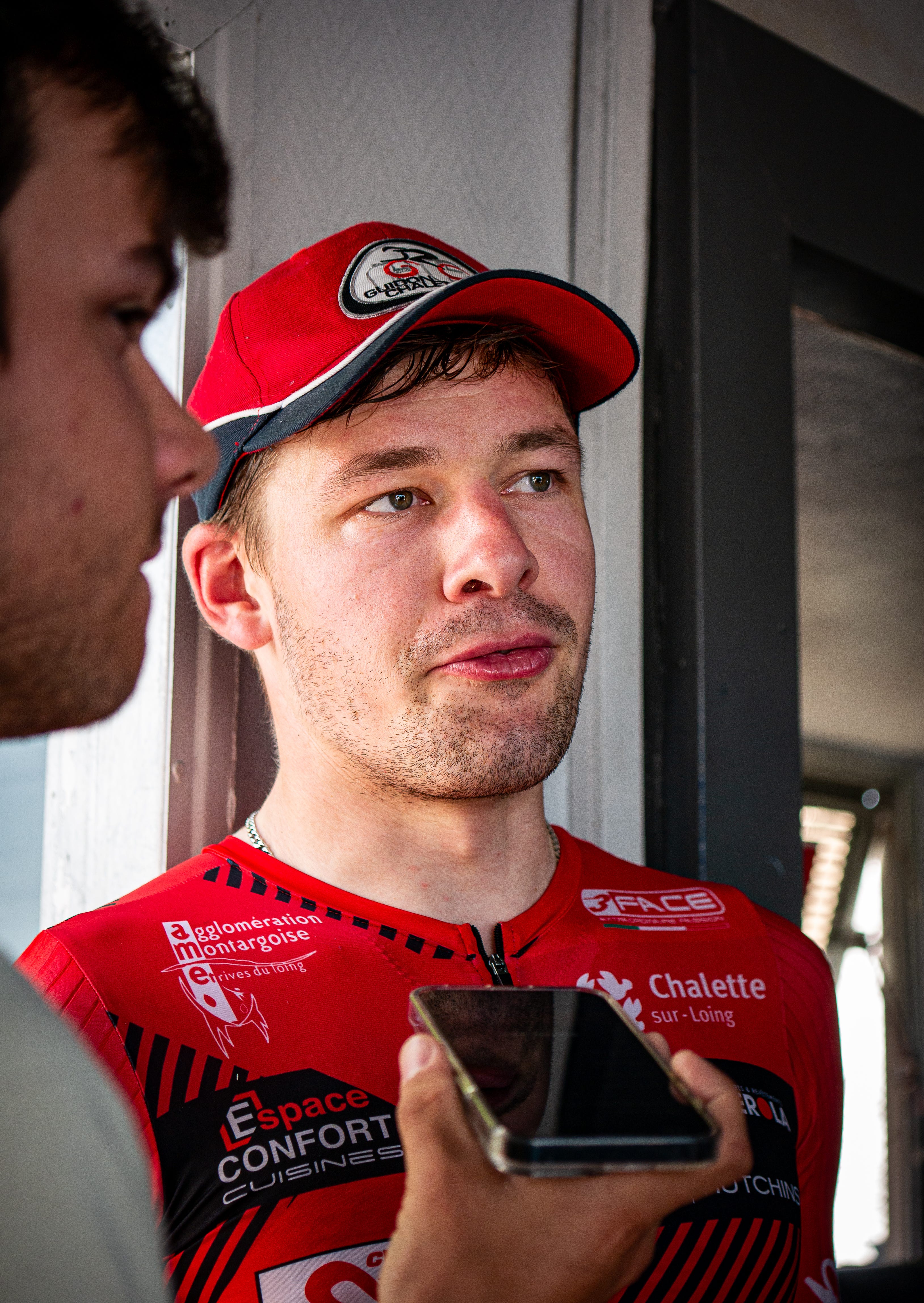
‘And so hold on when there is nothing in you. Except the Will which says to them: “Hold on”;’ — Rudyard Kipling
And with the VISA landing in my inbox, it had unlocked an entirely new perspective on the next period of my life. And an exciting view of things, and as such an opportunity—and security—to adjust some of these routines at risk of forming into a plateau. Feeling that I had the support to adjust the foundations of my process, I considered that rare small changes ever turn out catastrophically. Many athletes have a tendency to think of the worst. But what if, as many philosophers say, the best may happen? What if it turns out back to front to what I am currently considering?—I thought.
2025 in Context

Most cyclists have a story to tell about their time in the professionals, which is often kept behind the scenes, hidden. Some are broken by it. Others, somehow, manage to regather their strength to climb out of the hole they might find themselves in. Either way, it’s a reality of professional sport which I’m glad has been a talking point this summer, be…
As such, I looked at the first thing that was both getting me through and potentially harming my mental and physical performance on and off the bike—coffee. I had been having a cupper each morning, and each lunchtime, after I returned from my ride. But despite the energy it had given me, I was aware that it could well be affecting me in ways that I may not have previously put down to the double-a-day coffees.
I had had an underlying fatigue, as well as simultaneous stimulation, which was seeping into lethargy in my rides. I could feel it. By being eternally lit up with adrenaline, I no longer had space to get excited about racing. After so long, the body becomes tolerant of the caffeine, and it has been researched to limit its production of epinephrine after regular usage.1
I felt excited to see what effect this change could have on my mind and body during the racing. I felt that it could well be refreshing. It might well highlight a key weakness in my process. A potential imbalance in my life. Maybe between mind & body. Heart and Legs, perhaps.
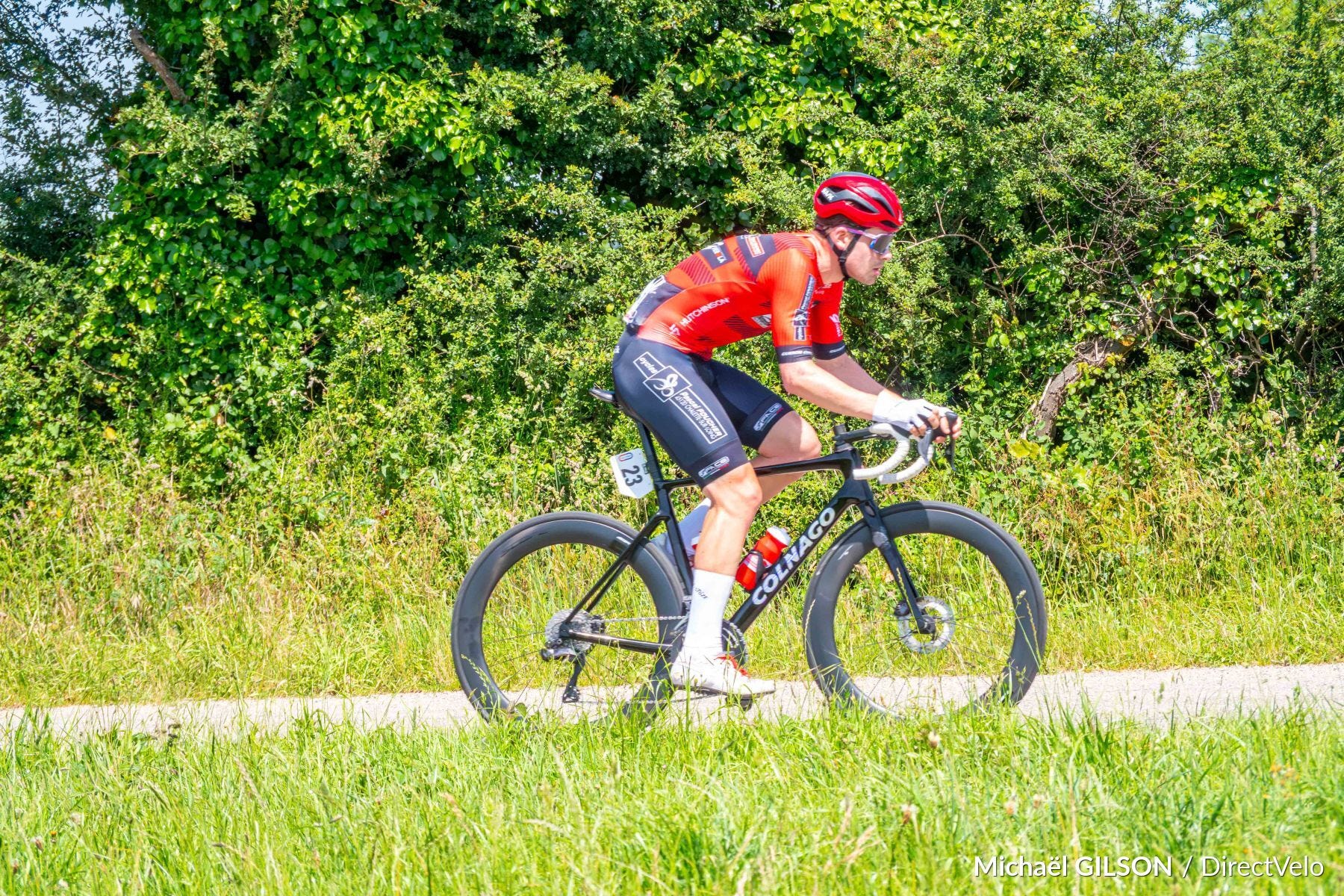
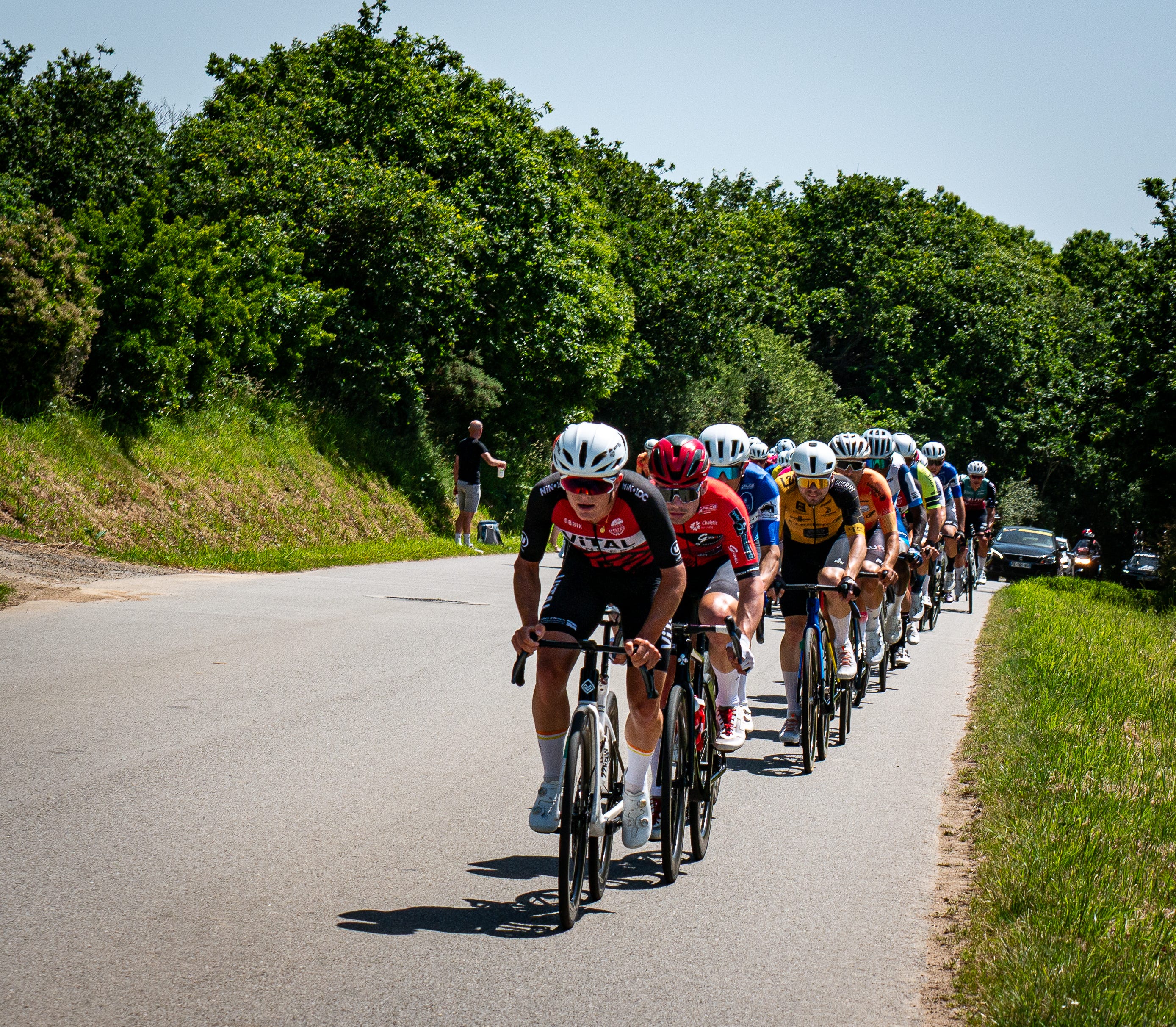
Indeed, when I rode the first stage of Essor Breton, there was one climb I had to be ready for. A crucial 500 metres at 10% just before entering the very tough final circuit for the last one hour and thirty minutes of racing, against some of the best puncheurs in the cycling sphere. I had to build it up in my mind, so much so that I was buzzing, yet composed, when turning the left-hand bend into the base of the climb.
If I missed this move, the race was over. It was 33 degrees out, and yet I felt I had power in my legs; the adrenaline was doing its thing. I hit 188 bpm on this climb. The highest I had hit naturally (without illness or environmental effects, i.e. ambient temperatures) in many, many moons. I was flying. And I made the front group.
Despite a solid few laps policing and attacking, I messed up the sprint for the win considerably. Tactically (in the build-up at least), I was astute by positioning just on the wheels of the three SCO Dijon riders who had lined out in their lead-out, but none of them opened their sprint when I expected them to do so. The others just sat there, paused, almost lethargic.
So, I was blocked in, and then doubly blocked when I eventually got a chance to kick, and everyone had fanned the road in front of me. I was pissed. I can win that sprint. I had confidence, and whilst I did kick myself at the missed opportunity, I also trusted there were a couple more to come. And had my eyes on the stage in a couple of days’ time.
The baseline stimulation waned after several days without caffeine in my system. I was feeling more and more excited, as I visualised a more vivid scenario of the next days’ racing. That excitement was also building because I was focusing more on my basic racing performance, rather than reading my daily stats.
Before the race—besides deciding against a morning coffee and getting my friends’ tips to keep the urges at bay—I had also made a second decision. You remember that critical climb, where I hit my highest heart rate and didn’t explode thereafter? Yeah, I couldn’t tell you what my power was at all over that period. I had decided to follow through on what I wanted. I had made the distinction. It wasn’t an emotional impulse; it was a reasoned theory I knew I had to implement if I wanted to win a race. I had taken off my power meter from the bike.
It did seem delusional to my coach, to my team and even to myself for a long, long time. Just as I had suspected about whether I actually wanted to have coffee, and if it just served to quench a desired urge for the strong taste of it? I also thought about whether I actually needed the power meter during the race, or if it was too much of a rev-limiter in my mind, when all I should focus on is simply the wheel in front of me and the next crest of the hill.
But I had lost all calibration for the effective RPE monitor in my mind. From months of being severely underpowered, I thought continually about the power number before I thought about the wheel in front of me. And so, with this perturbing thought, I decided it was time to create a little bit of distance. Like any relationship gone sour, sometimes that is the best thing to do. I was still training with it. I had just reasoned it wasn’t necessary in the racing. Because, if I wasn’t winning, then it didn’t matter how much power I was putting out.
Lo-and-behold, after giving everything for Manu on stage 2, I was absolutely buzzing on Stage 3. My adrenaline was up, my legs were shaking. I was ready for the incessant ‘thirty:thirty’ intervals that were about to ensue. I was ready to go on a controlled rampage, plus it was Dad’s 60th birthday, and my mates who I had trained in Cyprus with had won the previous two days—I had to do something; it was my time.
With this mental bandwidth spared, I was on it. All day. When others were rinsing themselves dry in the powerful afternoon sun of the prior heatwave of May, I was calm and controlled at the back of the peloton. 150 kilometres with 2300 metres of elevation, I knew that those who had legs on the final few bergs would reap the rewards. Just as I never go all out in the very first set of intervals, I rode in a measured way to manage my legs and core temperature throughout the day.
Eventually though, I had drawn a strong group clear at the race’s midpoint. And I was nervous. I wasn’t quite sure how I had found myself in this position. But I was fully committed to sitting up and going back to the peloton—it was far, far too early in the race if I wanted to win the stage. I had even discussed several times with my teammate Gabriel Coulondre, because I also wanted to protect his opportunity to max out his intermediate sprint points. My presence in the break and on GC were potential reasons for the peloton to ride and bring this group back. So in the end, I just decided to sit at the back and do absolutely no work, as I was fully ready to go back to the peloton anyway.
So it all came back together; another large group rolled off the front for the last few laps of the race. And with that, I thought the race was done. But miraculously it all came back with 2 laps to go. And just as it did, I was cresting the steep 1k kicker in front of the other French puncheurs; I was winning the durability game. A lap or two before, I had almost crept away on the downhill, into a nagging headwind—so if I got space, the fatigue in the legs would make any rider think twice before jumping to close the gap.
With two ascents of this climb to go, I was well positioned, followed the inevitable move from Romain Bréant, and then, as we reached the bottom of the downhill, with gaps everywhere, I accelerated whilst tucking back into the saddle, and with my head as low as I could manage. I had a gap, and a strong rider to boot. Let’s go.
The Perigieux rider came over me, and rolled a couple of strong turns to draw us clear, though it was tantalisingly close for a while there. Just before we snapped the elastic under the blazing afternoon sun on the Breton coast, three other riders had jumped across (I had absolutely no idea one of them was also on the same time as me on GC; absolutely no care in the world. I only wanted to win the stage.)
We rolled really strongly together, gathered ourselves up the last major climb there, without me accelerating on the slopes or anything. I decided it would be best for me to ride the pace of the fastest rider. I did not need to do too much. I felt that we were clear, and would win the stage. The peloton had given us (Léo David and I) over thirty seconds, and thus we leapfrogged ourselves up the General Classification Standings.
Coming into the last few kilometres, David (the other GC rider) was pulling long, hard turns. In hindsight, it is now clear why. Whilst he was, I was firmly committed to sitting in the wheels, and getting as much of a tow toward the final kilometre as I possibly could. Every few turns I rolled through to keep the cohesion between us. But all my focus was on the sprint. Not the time-gap, not whether I was pushing enough for dinner—I trusted my gut for that too. I simply had my eyes on winning the sprint just as I had imagined it. And after Stage one, I knew that I could win the sprint. I said as much in my journal: “I can win.”
To Throw the Bike

A psychologist once told me, if you are privileged enough to have learned more than one extra language, then you’ll come to find the solution to a problem twice or thrice as quickly. I heed that advice today, as I look at the verb lancer. It is how I came to land on this essay.
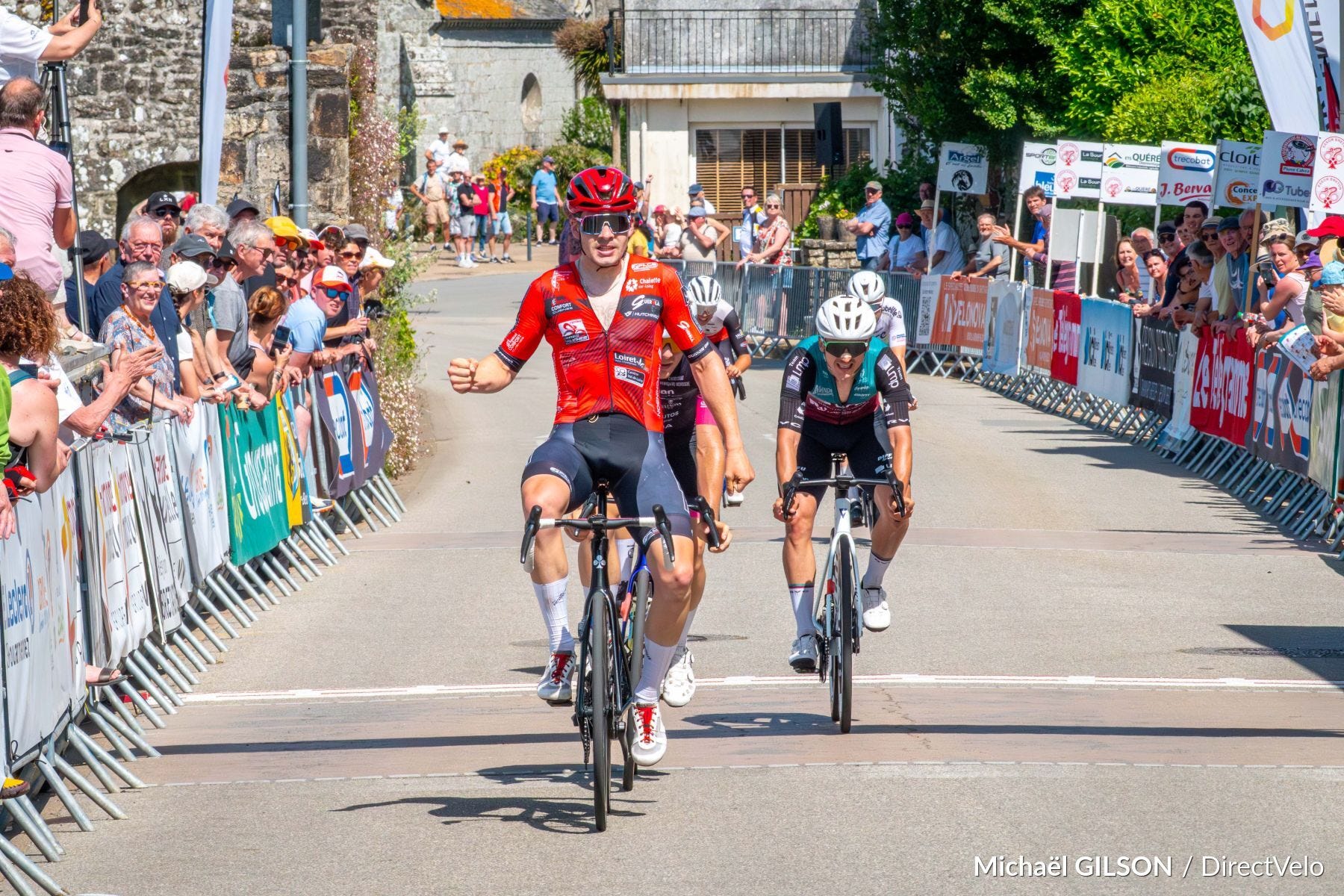
And then the LMP rider kicked with 500 metres to go, and just like the pre-race social media, I was rubbing my hands at what I was seeing unfold in front of me. He had handed it to me on a platter. The perfect lead-out. There was no way I was going to lose now.
As we turned around the bend into the final 200 metres, I jumped, throwing the bike beneath me. Thrashing the pedals as I did. I had it. I had the overspeed. No one was coming around me. I had won. I posted up. There was no need for a bike throw to the line. I had it in the pocket. My first win of 2026! Damn.
I was worried I wouldn’t feel anything. But I felt everything, as each one of my teammates came up to me with a smile on their face and congratulated me, and us on the first win of the season. Damn, it felt good. And a good birthday present for Dad!
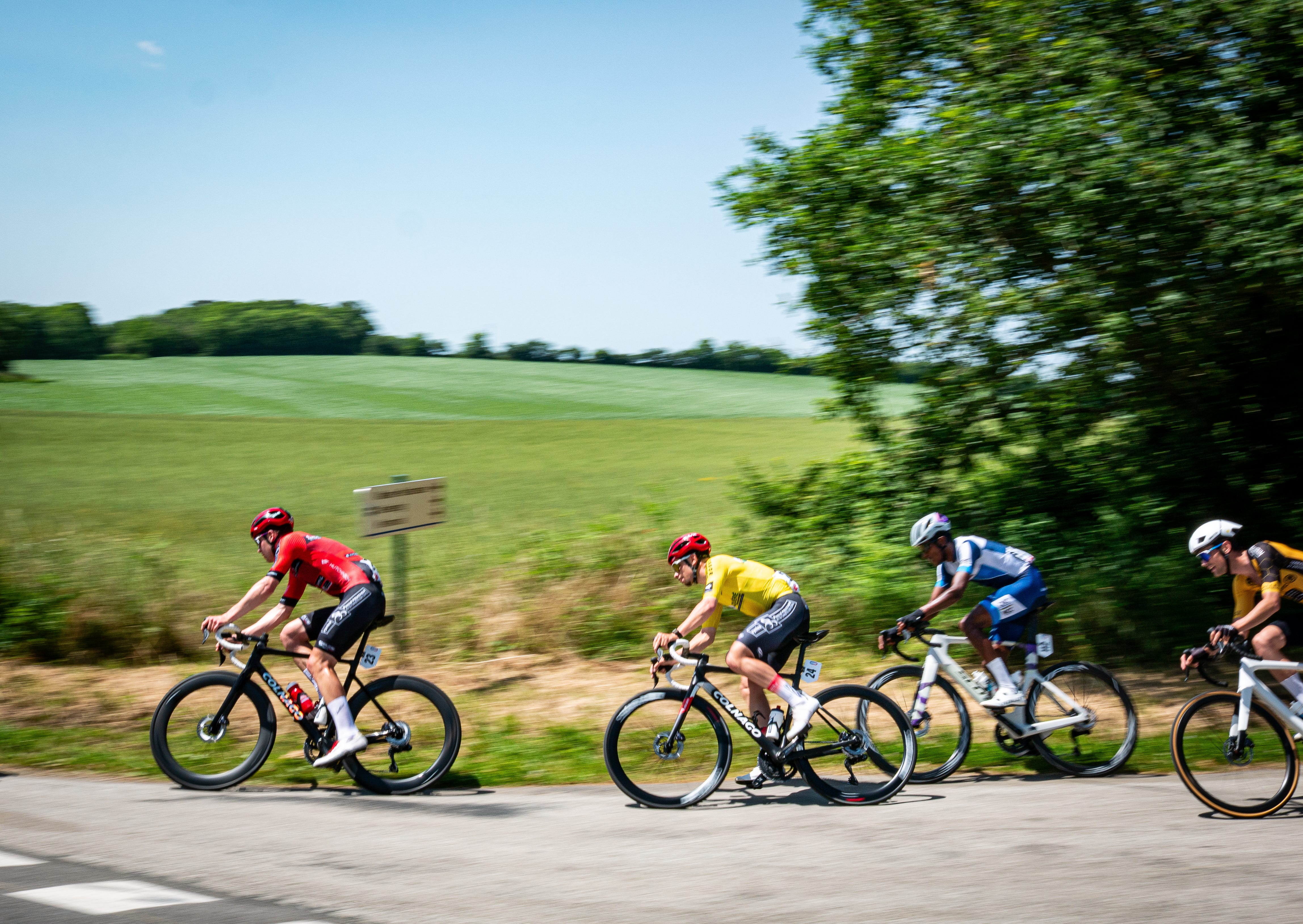
And all it takes is a small change either way. 1mm here or there. When operating at the intensity of a pro athlete, entire perspectives change. Mostly for the positive, rarely in the negative. More often than not, however, it produces a moment of clarity for us athletes to cling to, and realise that we can improve and that we will ultimately turn any side effects into a positive. Because that is our disposition as athletes. Don’t fear change; it may just help you win.
∝
In 2026, I’m supported by TORQ Performance Nutrition and Lake Cycling Shoes. They’re incredibly supportive brands that go beyond the marketing. They keep it real. And it shows in their products. They’re natural and seem to work in harmony with human physiology. No extra bits that do not need to be there. Just functional, as it should be.
Excitedly, you can get 10% off Torq Performance Nutrition Products using the code AVTPO10 here. #Naturallybetter #TORQFuelled #InspireExcellence

Van Soeren, M.H. et al., "Caffeine metabolism and epinephrine responses during exercise in users and nonusers," Journal of Applied Physiology 75, no. 2 (1993): 805–812. pubmed.ncbi.nlm.nih.gov/8226485
Très bel article Tom!
Encore bravo et bonne chance pour la suite
Congratulations Tom. Really pleased for you.